What is organic traffic? Meaning, GA4 and why the count can be off
Organic traffic is the visits that reach your site from the unpaid results of a search engine. Someone searches, clicks a result you didn't pay for, and lands on a page. The number your tool shows for it can be off: some organic visits are filed under other names, some are never counted, and some counted visits aren't people.
Turn impressions and clicks from Search Console into a click-through rate and see how many more clicks a target rate would take.
TL;DR
- Organic traffic is the visits that reach your site from the unpaid results of a search engine.
- The count can be off: some organic visits are filed under other names, some are never counted, and some counted visits aren't people.
- When you quote a figure, give the visit count, the total, the tool and the date range.
Stickybeak keeps bots out of visitor counts and lets you filter by referrer, page, country or device. It is in early access.
Get early accessOrganic traffic meaning, and what "organic search" means
A search engine shows two kinds of result. Ads are paid for. Everything else is ranked by the engine's own judgement of relevance, and those unpaid results are called organic search results. Organic search is the way of finding you through them. Organic traffic is the visits that come out of it.
The word "organic" only says you didn't pay per click. It doesn't mean the visit was effortless to get. It comes from pages someone wrote, kept up to date and made findable, and it keeps arriving while those pages keep ranking. Paid traffic stops when the budget does.
The same word turns up in other channels, which is where the confusion starts. "Organic social" is unpaid traffic from social platforms, and Google Analytics also has organic video and organic shopping channels. When people say organic traffic without qualification they nearly always mean organic search.
What is organic traffic in Google Analytics?
In Google Analytics 4, organic traffic is the Organic Search channel in the default channel group. Google's rule for it is that the source matches a list of search sites, or that the medium is exactly organic. The channel is built from the referrer: when a visit arrives from a results page, the browser tells your site which search engine it came from, and the tool files it by that.
You will see it under Reports, Acquisition, Traffic acquisition, where the first column is the session default channel group. Add the source as a second dimension to split Google from Bing and the rest. The tool records the engine, not the words typed into it. For the words, use Search Console, which our SEO and Google Analytics guide covers.
Here is how Google defines the channels people mix up, for manually tagged traffic. The conditions come from Google's channel group page, checked 17 October 2026. Traffic from linked advertising accounts is also classified with the integration's data.
| Channel | Google's rule, simplified | Is it search? |
|---|---|---|
| Organic Search | Source is a search site, or medium is exactly organic | Yes, unpaid |
| Paid Search | Source is a search site and the medium matches a paid pattern such as cpc, ppc or paid… | Yes, paid |
| Organic Social | Source is a social site, or medium is one of social, social-media and similar | No |
| Organic Video | Source is a video site, or the medium contains video | No |
| Direct | Source is (direct) and medium is (not set) or (none) | No source recorded |
Organic vs paid traffic
The difference is whether you paid for the click. A search ad is paid: the visit comes from the same search engine, and GA4 files it under Paid Search. For visits you tag by hand that comes down to a paid medium such as cpc; for auto-tagged Google Ads clicks, GA4 also uses data from the advertising integration. A normal result is organic. If you run ads, tag them. An untagged ad click can land in the wrong channel, because the tool has only the referrer to go on.
| Organic traffic | Paid traffic | |
|---|---|---|
| Where it comes from | Unpaid search results | Ads you pay for |
| What you pay | Nothing per click, but you pay in time to build pages | Per click or per view, set by the ad platform |
| When it stops | When the pages stop ranking | When the spend stops |
| Speed | Slow; rankings move over weeks | Fast; ads can run today |
| In GA4 | Organic Search | Paid Search (and Paid Social, Display…) |
Neither is better in general. Which one pays back depends on what a visitor is worth to you, which is a question for your own revenue by channel, not a rule.
Organic search vs organic social
Both are unpaid and both are reported with the word "organic" in front, but they behave differently. Organic search visitors arrive because they were looking for something. Organic social visitors arrive because someone they follow posted a link. Search traffic can keep coming as long as a page ranks. Judge them separately, and don't add them together as one organic number.
A link in a social post you pay to promote is not organic social. It belongs with paid, and the ad platform's tags should say so.
Organic traffic vs direct traffic
Organic traffic carries a search engine as its referrer. Direct traffic carries no source at all. A person who types your address is direct. A person who searches your name and clicks the result is organic, even though they already knew you. Our direct traffic guide covers where direct visits come from and how to shrink the pile. Referrals from other websites are a third channel, explained in the referral traffic guide.
Why the organic traffic count can be off
Treat any organic number as an estimate. Several things move it away from the truth, and they are different in kind:
| What happens | Effect on the organic number |
|---|---|
| The visit is never counted | Ad blockers and privacy tools can stop an analytics script from loading, and so can a consent setup that blocks analytics tags until someone agrees, so a real search visit is missing from the report. With Google's advanced consent mode, tags still load and send cookieless signals when consent is denied, and GA4 can model some of the gap. Search Console isn't affected, because Google counts the click itself. |
| The visit is filed as direct | Browsers decide what referrer to send. When one arrives empty or trimmed, the tool can't see the search engine and the visit has nothing to be organic from. |
| The search came after the real cause | Someone hears about you in a chat or reads an AI answer, then searches your name. That visit is filed as organic search, and nothing in it says what started it. |
| Bots are counted as people | This goes the other way and inflates the number. Tools differ in how well they keep crawlers out of visitor counts. |
The third row cuts both ways: it credits organic search with demand that organic search didn't create. So the number can miss visits, include visits that aren't people, and still not be a clean measure of what your pages caused. Read it as a trend, in one tool, over weeks. If the trend turns down, our website traffic drop checklist shows how to tell a broken tag from a lost ranking. The SEO and Google Analytics guide goes through why Search Console clicks and analytics visits never match.
How to see your organic traffic
In Google Analytics 4
- Open Reports, then Acquisition, then Traffic acquisition.
- Find the Organic Search row in the session default channel group. Set the date range to at least 28 days so one busy day doesn't mislead you.
- Add a second dimension, the session source, to split Google from Bing and other engines.
- See which pages organic visitors land on. Open the Landing page report and add a filter on Session default channel group set to Organic Search. To follow what they read next, use a Path exploration in Explore.
In Search Console
The Performance report counts clicks from Google Search straight from Google, with the queries behind them. It's the closest thing to a ground truth for Google organic clicks, but it only covers Google, and it can't tell you what a visitor did afterwards. It also reports impressions, so you can turn clicks and impressions into a click-through rate with the CTR calculator.
In Stickybeak
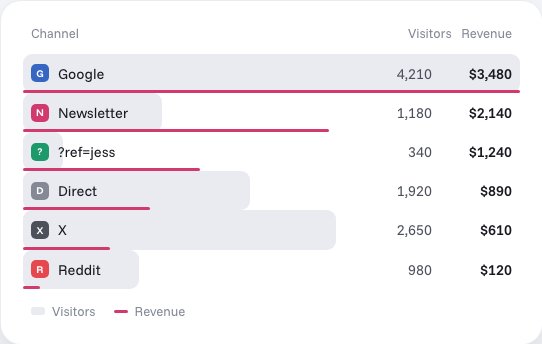
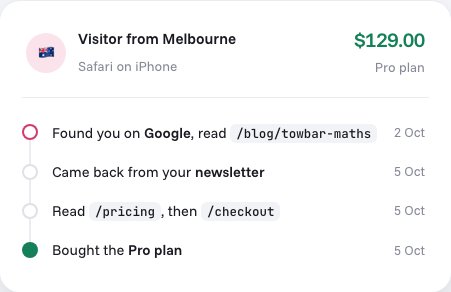
Stickybeak is live analytics for every site you own, and it's in early access. Its channels view files search visits under the search engine, and AI assistants such as ChatGPT, Perplexity, Claude, Gemini and Copilot are channels of their own, so a visit from an AI answer isn't mixed into organic. You can click any referrer, page, country or device to filter the wall by it. Revenue is broken down by channel, campaign and ?ref= code, and each order keeps its trail: the entry page, the referrer, every UTM tag and the pages read before buying. So for a search visitor who bought, you can see which page they entered on and what they read first. For the queries and impressions you still use Search Console. Stickybeak doesn't replace it.
To estimate how much search traffic any site gets, try the website traffic checker.
Our own numbers
Stickybeak has only been tracking usestickybeak.com since 6 October 2026, so we have no organic share to publish yet. When you quote one, give the visit count, the total, the tool and the date range.
Questions
What is organic traffic?
Organic traffic is visits that arrive from the unpaid results of a search engine. Someone searches, clicks a result you didn't pay for, and lands on your site. In Google Analytics 4 these visits are filed in the Organic Search channel.
What is organic traffic in Google Analytics?
It is the Organic Search channel in the default channel group. Google's rule is that the source matches a list of search sites, or the medium is exactly organic. Paid clicks from the same search engines are split off into Paid Search.
What does organic search mean?
Organic search means the unpaid results a search engine lists for a query, ranked by relevance rather than by who paid. Organic traffic is the visits those results send you.
What is the difference between organic and paid traffic?
Paid traffic comes from ads you pay for, such as a search ad. Organic traffic comes from unpaid results. In Google Analytics 4, for visits you tag by hand, a search-site visit with a medium such as cpc, ppc or paid is Paid Search, and one with no paid medium is Organic Search. Auto-tagged advertising traffic is also classified using data from the advertising integration.
What is the difference between organic search and organic social?
Organic search is unpaid traffic from search engines. Organic social is unpaid traffic from social platforms, where the source is a recognised social site or the medium is social. They are separate channels with separate reports.
What is the difference between direct and organic traffic?
Organic traffic carries a search engine as its referrer. Direct traffic carries no source at all. A person who types your address is direct. A person who searches your name and clicks the result is organic.
Why is my organic traffic lower than my Search Console clicks?
A Search Console click is counted by Google when someone clicks a result. An analytics visit is counted only if a script loads and reports the page view, so ad blockers, consent setups that block analytics tags and bots make the two differ. Watch each trend over weeks instead of expecting equal numbers.
Is organic traffic free?
You don't pay per click, but it isn't free to earn. It comes from pages that someone wrote, maintained and made findable.
Sources, checked 17 October 2026: Google Analytics Help, Default channel group (the Organic Search, Paid Search, Organic Social, Organic Video and Direct conditions).